
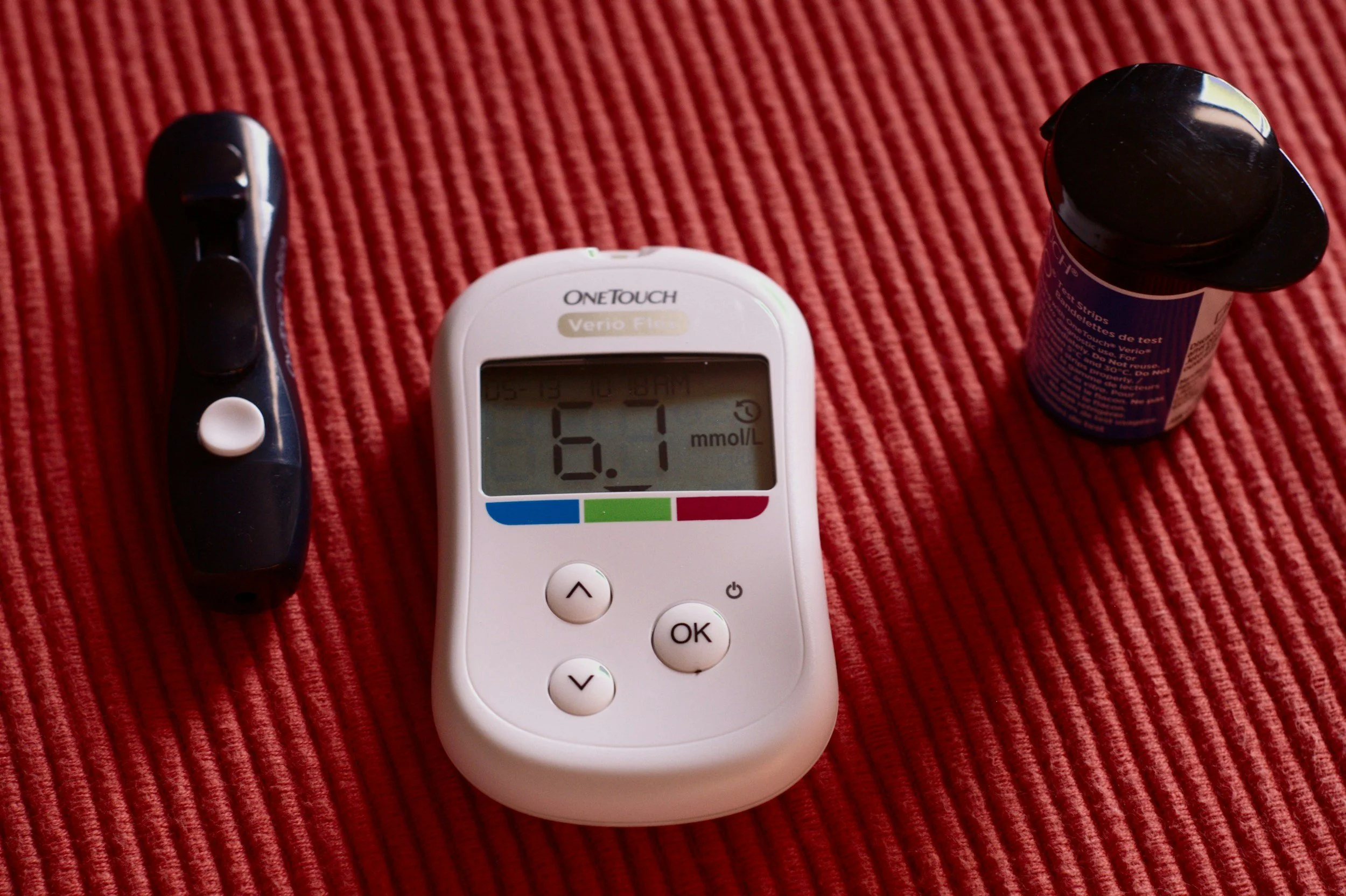
Type 1 Diabetes is an autoimmune condition in which the body no longer produces insulin, requiring daily management, awareness, and care to maintain healthy blood sugar levels.
FAQs
-
Type 1 Diabetes is an autoimmune condition where the body’s immune system attacks the insulin-producing cells in the pancreas. Without insulin, the body can’t properly use sugar (glucose) for energy. People with Type 1 Diabetes must manage their blood sugar through insulin therapy, monitoring, nutrition, and lifestyle support.
-
While both affect how the body regulates blood sugar, Type 1 Diabetes is an autoimmune disease — it’s not caused by diet or lifestyle and often develops in childhood or adolescence (though adults can be diagnosed too). Type 2 Diabetes, on the other hand, usually develops over time and is often linked to insulin resistance. Type 1 always requires insulin treatment; Type 2 may sometimes be managed with diet, exercise, or medication.
-
Schools play a vital role in keeping students with diabetes safe and included. Staff can help by understanding each student’s care plan, recognizing signs of high or low blood sugar, allowing flexible snack or bathroom breaks, and maintaining open communication with parents and healthcare providers. Training and awareness make all the difference in creating a safe learning environment.
-
If a student shows signs like shakiness, sweating, confusion, or sudden fatigue, act quickly. Provide a fast-acting source of sugar (juice, glucose tablets, or candy) as outlined in the student’s care plan. Never leave the student alone, and notify the school nurse or call emergency services if symptoms don’t improve. Early recognition and quick action can prevent serious complications.
Type 1 Diabetes affects children and adults alike, making education and preparedness essential for anyone involved in their daily care — especially in schools where awareness can truly save lives.
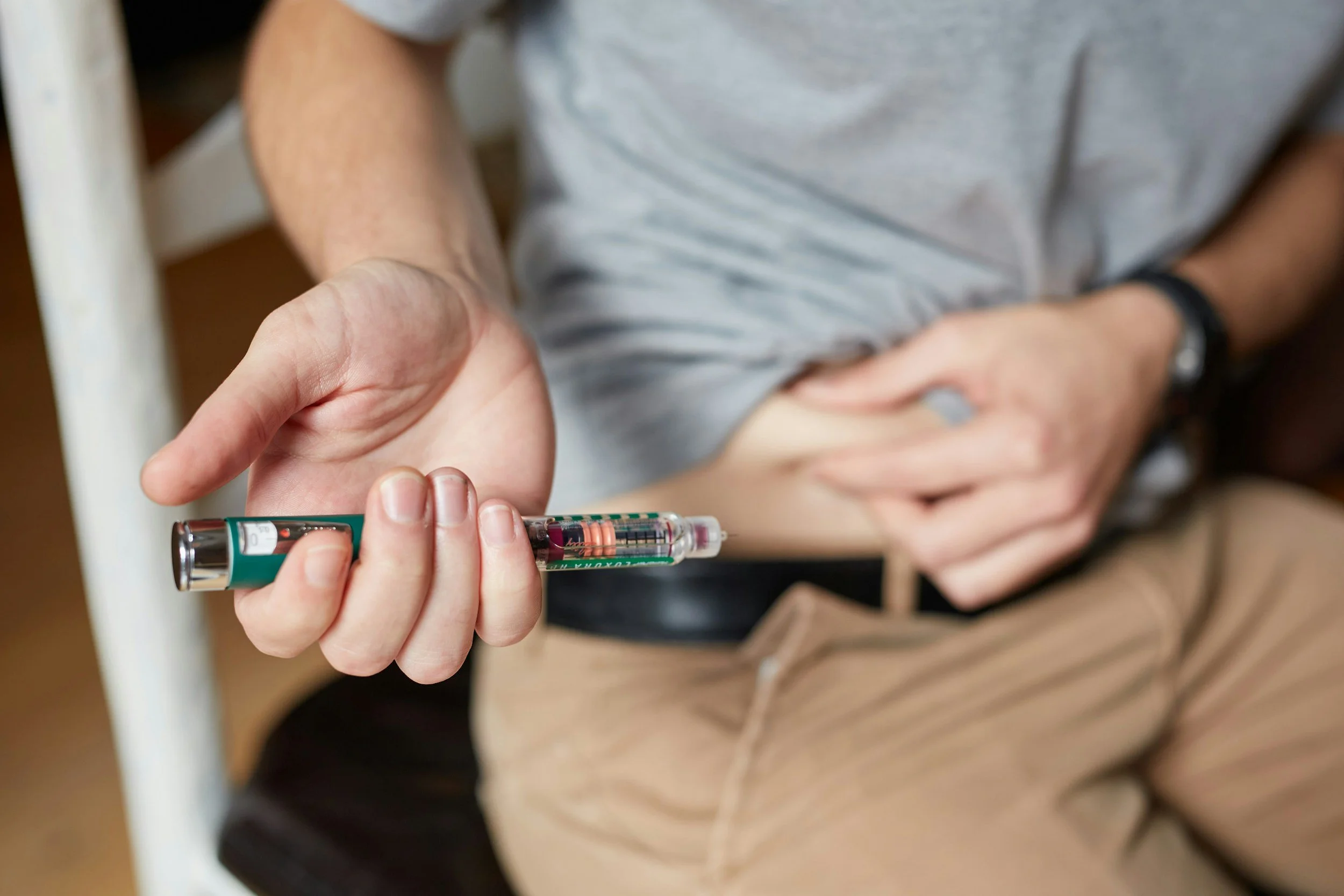
At Chronic Care Education, we believe that awareness and training are key to creating safe, informed spaces for students living with Type 1 Diabetes — both in the classroom and beyond.
FAQs
-
Absolutely! With proper planning and monitoring, students with Type 1 Diabetes can safely take part in sports, recess, and physical education. Physical activity actually helps manage blood sugar levels — but adjustments may be needed before, during, or after exercise. Schools should coordinate with families and healthcare providers to make sure students have snacks, glucose supplies, and insulin as needed.
-
Low blood sugar (hypoglycemia) can cause shakiness, sweating, irritability, dizziness, or confusion — and requires fast-acting sugar right away.
High blood sugar (hyperglycemia) may cause increased thirst, frequent urination, headache, or fatigue. Both require attention and, if persistent, guidance from a healthcare professional. Recognizing symptoms early can prevent emergencies. -
It depends on the student and their treatment plan. Many students check their blood sugar multiple times a day or use continuous glucose monitors (CGMs) that provide real-time readings. Teachers and staff should understand each student’s care plan and know when checks are expected — especially before meals, physical activity, or if symptoms appear.
-
Education and empathy go a long way. Teachers can encourage open communication, respect privacy, and model understanding when students need to test blood sugar, take insulin, or eat snacks during class. Classmates benefit from simple education too — understanding that diabetes care is part of staying healthy, not something to fear or stigmatize. A little kindness and flexibility can make every student feel safe and included.